Climate protection in aviation – the challenges remain
04. May 2026
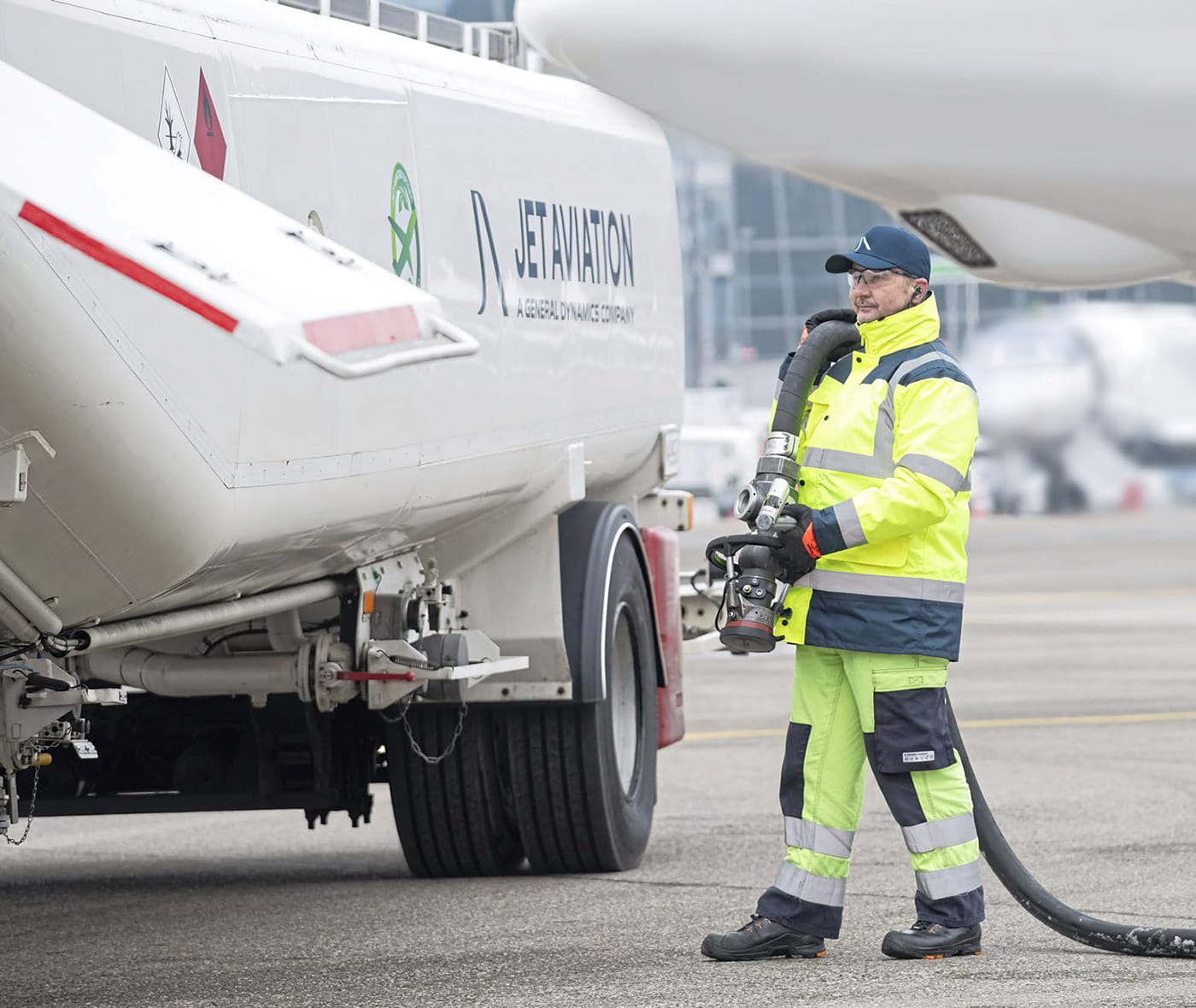
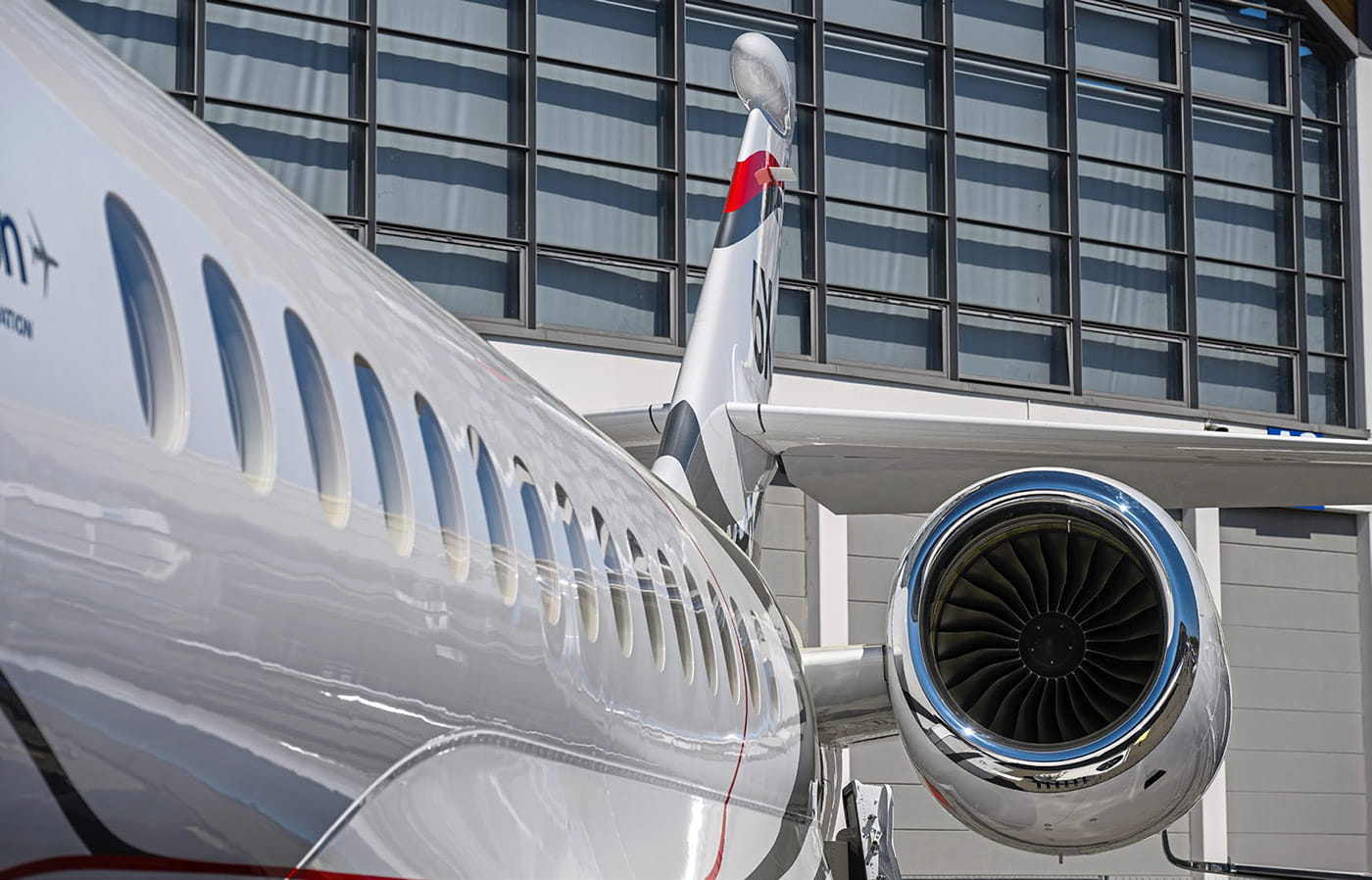
Jet Aviation has once again ensured the supply of SAF at the World Economic Forum. (© Copyright Photo: Jet Aviation)
Air travel plays a central role in global mobility, but at the same time faces major challenges in terms of climate protection. Worldwide, it accounts for about three percent of CO2 emissions. If so-called non-CO2 effects, such as contrails, are also taken into account, that share rises to about five percent. In Germany, the share of domestic air travel is significantly lower, at around 0.2 percent. Nevertheless, it is clear that the aviation industry must also do its part to combat climate change. The industry’s primary goal is to achieve carbon-neutral flights by 2050. To reach this goal, the aviation industry is pursuing three key strategies.
First: reducing fuel consumption. Modern aircraft are significantly more efficient than older models. Each new generation consumes about 25 percent less jet fuel. Overall, fuel consumption per passenger has been reduced by 46 percent since 1990. In addition, better aircraft load factors and optimized flight routes help reduce emissions. As a result, the growth in air traffic has been partially decoupled from rising fuel consumption. Efficiency gains are possible in all areas of aircraft operation, starting as early as the development phase—for example, through the use of new materials in the fuselage and wings, the optimization of fuel combustion in the engines, and the general optimization of aircraft aerodynamics. This also includes the use of electrified ground infrastructure and route optimization during flight planning.
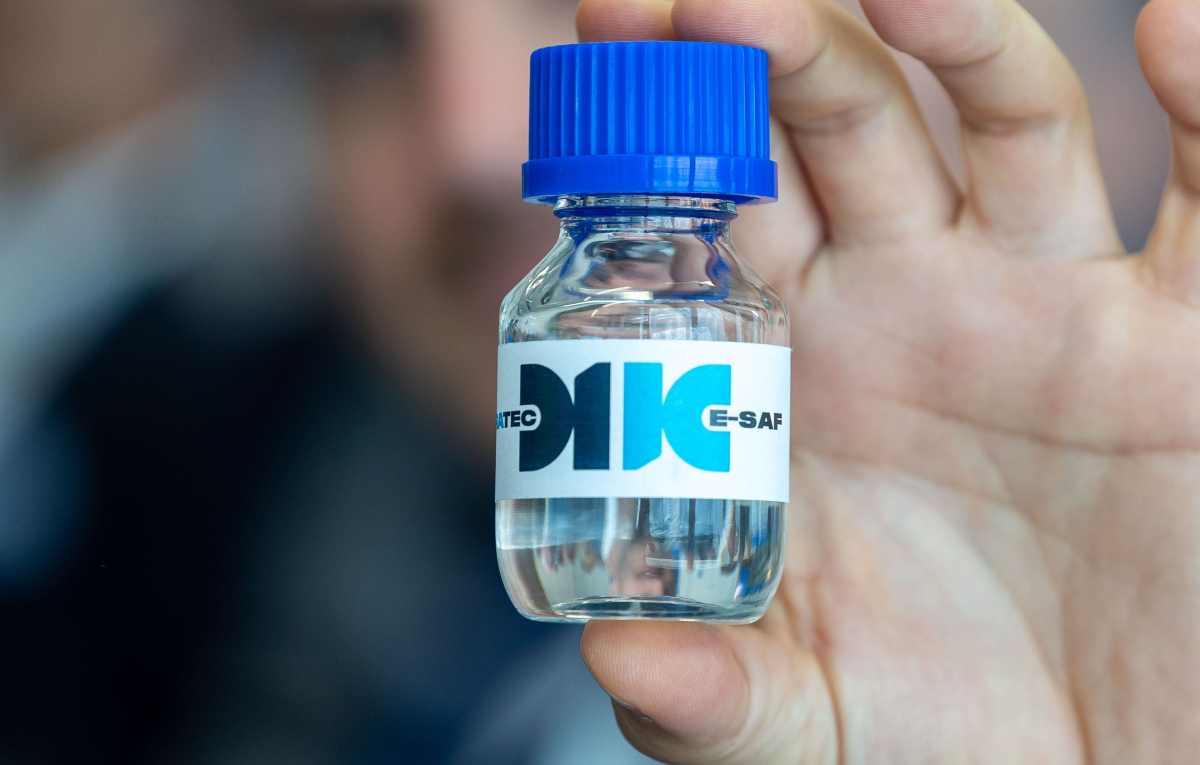
Second: the use of sustainable aviation fuels, or SAF. These fuels are not produced from fossil raw materials and can reduce CO2 emissions by up to 100 percent over their entire life cycle. SAF are considered the most important lever for climate-neutral flying and also make a significant contribution to reducing non-CO2 effects. This is because, unlike fossil kerosene, SAF produces virtually no soot particles and fewer nitrogen oxides when burned. However, there are currently major challenges: Production is still very limited, costs are significantly higher than for conventional kerosene, and the available quantities so far cover only a very small portion of demand.
Third: the pricing and offsetting of CO2 emissions. Mechanisms such as the European Emissions Trading System (ETS) or the international CORSIA system ensure that emissions are priced and partially offset. However, these measures are intended more as a transitional solution until climate-neutral technologies become widely available.
In addition to these three main strategies, there are other important measures. These include what is known as intermodality—that is, the combination of air and rail travel. CO2 emissions can be reduced, especially on short routes. Airports are also doing their part—steps toward the future of climate protection in aviation—by significantly reducing their own emissions since 2010 and aiming to become climate-neutral by 2045.
Another important consideration is non-CO2 effects, such as contrails, which can further impact the climate. Intensive research is currently underway to better understand and reduce these effects.
In the long term, alternative propulsion systems such as hydrogen or electric systems could also play a role. However, these technologies are still in the development phase, and the aviation industry must work at full speed to advance these developments. The prospects for nearly emission-free flying are promising: Noise pollution is reduced, and the propulsion systems require less maintenance than turbines. Of course, this type of flight is intended for short-haul or regional air travel and for a passenger capacity of between 5 and 19. This is a building block for the future, but not the key driver for climate-neutral flight.
Despite all the progress made, the biggest challenge remains implementation in the face of global competition. National or regional regulations can lead to flights being shifted to other countries. This phenomenon is known as carbon leakage. As a result, emissions would not be reduced, but merely shifted.
Climate protection in aviation is a complex task that can only be achieved through a combination of various measures. Efficiency improvements, sustainable fuels, economic incentives, and international cooperation are crucial in this regard. In particular, the expansion of sustainable aviation fuels will play a key role.
News from the GBAA cockpit:
Developments and topics that make a difference