Electric Beats Fossil Fuels? Sustainability in Aircraft Financing
03. November 2026
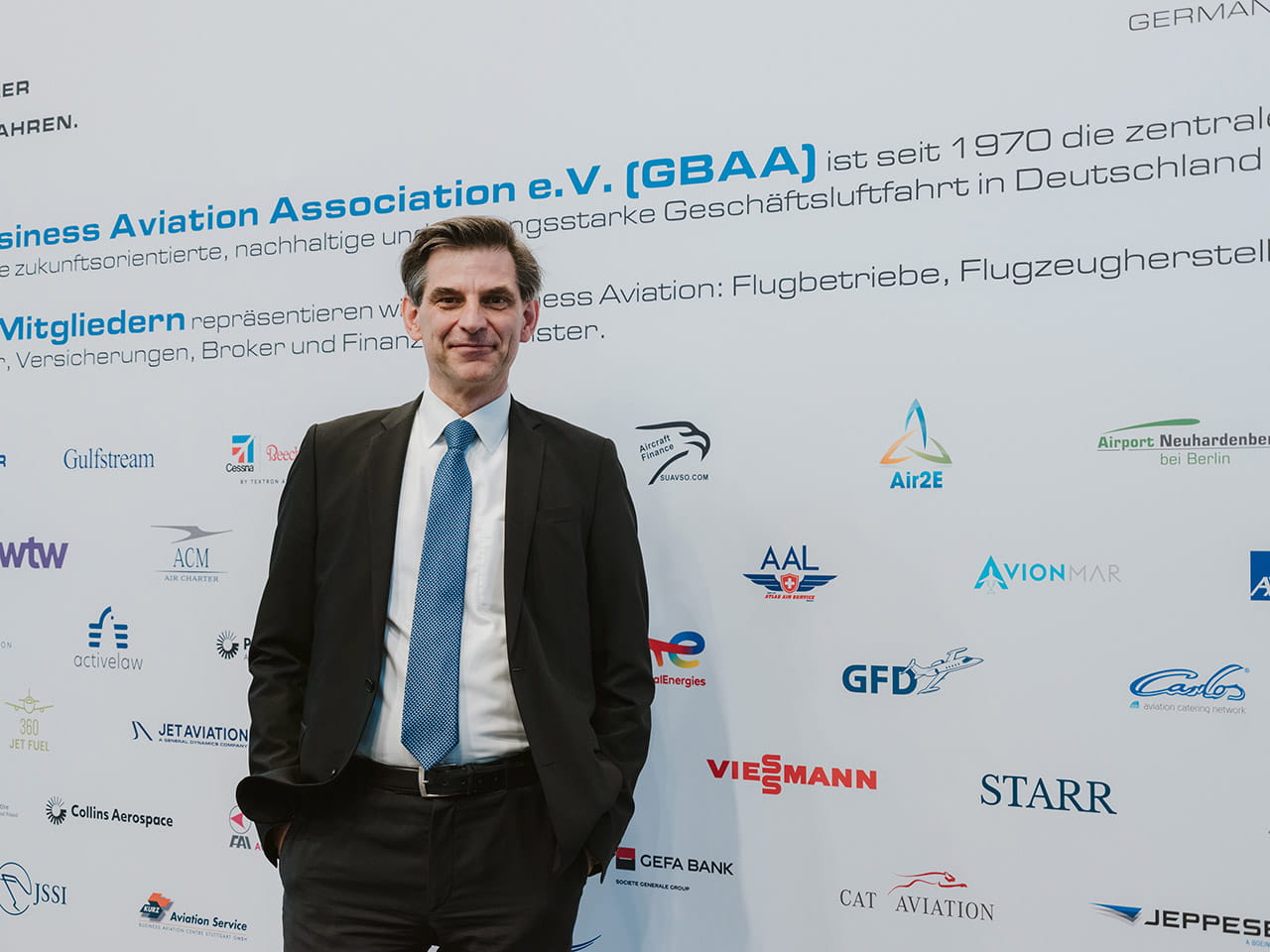
Photo: Lars Maurer
SAF, more efficient aircraft and alternative propulsion systems promise more sustainable business aviation. But does greater sustainability automatically lead to better financing terms? The decisive factors are primarily economic viability and the long-term value of an aircraft.
Economic viability determines financing terms
When financing business aircraft, two factors are at the forefront: the borrower’s creditworthiness and the quality of the aircraft as an asset. In addition to the buyer’s financial situation, lenders pay particular attention to market acceptance, marketability and the residual value of an aircraft.
New electric propulsion systems offer opportunities but also present challenges. Lower energy and maintenance costs could improve economic viability in the long term. At the same time, uncertainties remain regarding battery lifespan, replacement costs, manufacturer warranties and resale values.
Electric aviation is gaining importance
The development of electric aircraft is progressing. While the Pipistrel Velis Electro remains the only fully type-certified all-electric aircraft to date, manufacturers such as Vaeridion, Heart Aerospace and Aura Aero are working on new concepts.
There are also initial political initiatives: in the Netherlands, battery-electric aircraft and helicopters receive tax incentives. Germany and Norway, on the other hand, have so far focused more heavily on infrastructure and market development.
At the European level, the EU Taxonomy also plays an important role. A ruling by the General Court of the European Union in June 2026 overturned the previous exclusion of business aviation from certain sustainability criteria. However, this does not automatically place business aviation on an equal footing with commercial aviation.
Sustainability as a future financing advantage
When choosing aircraft financing, factors such as loan terms and monthly payments should be considered alongside financing periods, residual values, maintenance costs and potential risks.
Sustainability is already being taken into account as an additional factor in financing decisions. However, a genuine financing advantage will only emerge once new technologies demonstrate their economic viability through lower operating costs, high availability and stable residual values.
Conclusion: It is not the electric propulsion system alone that makes an aircraft an attractive investment, but its long-term economic viability.
News from the GBAA cockpit:
Developments and topics that make a difference